



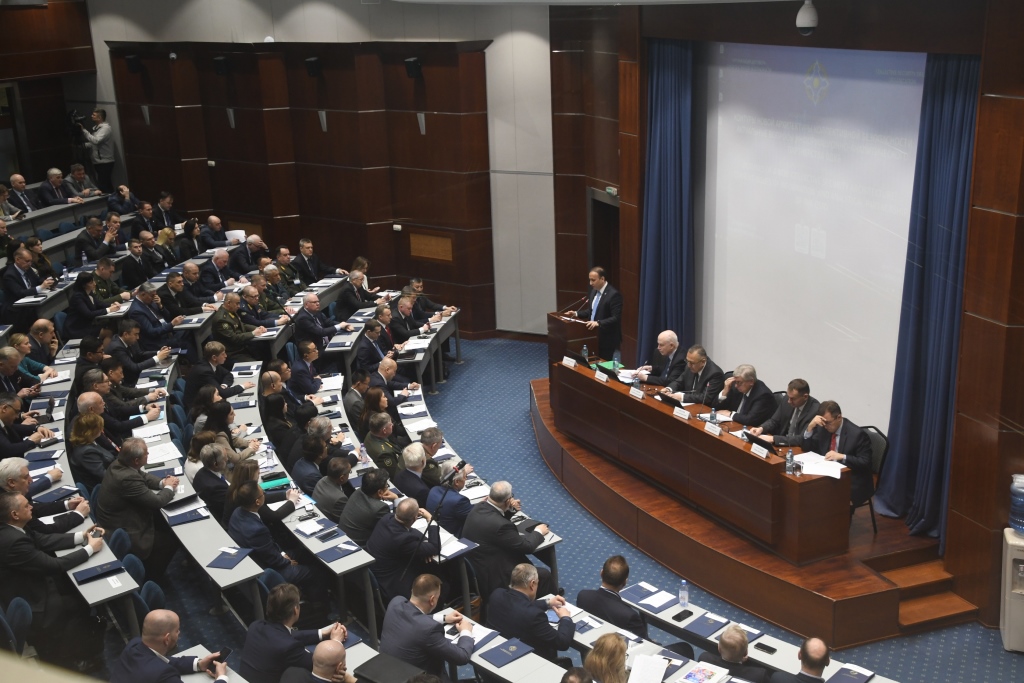
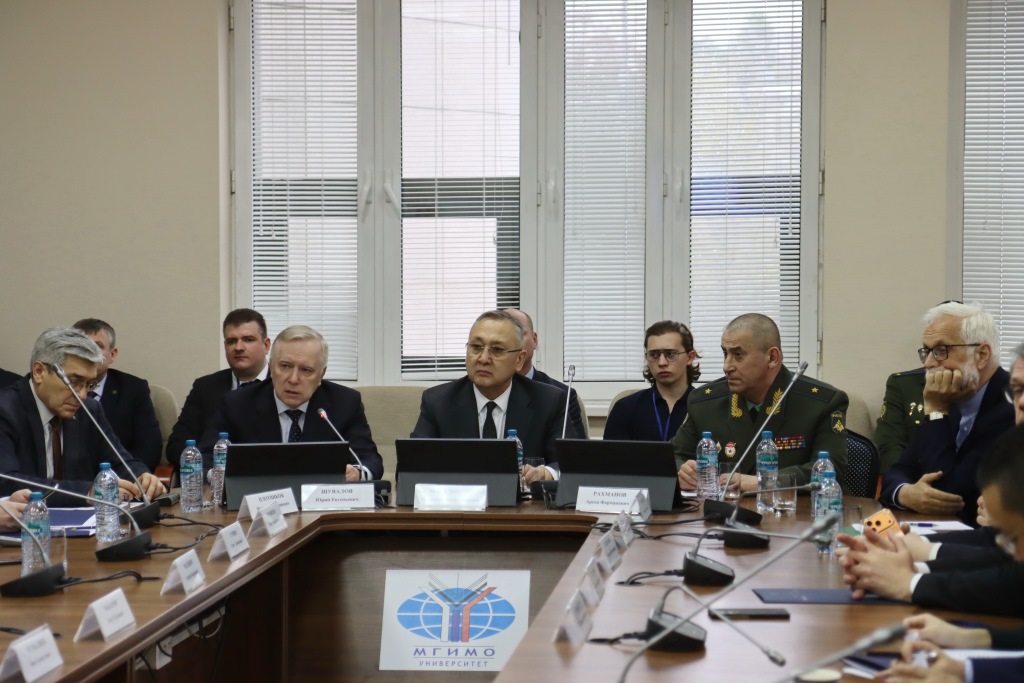
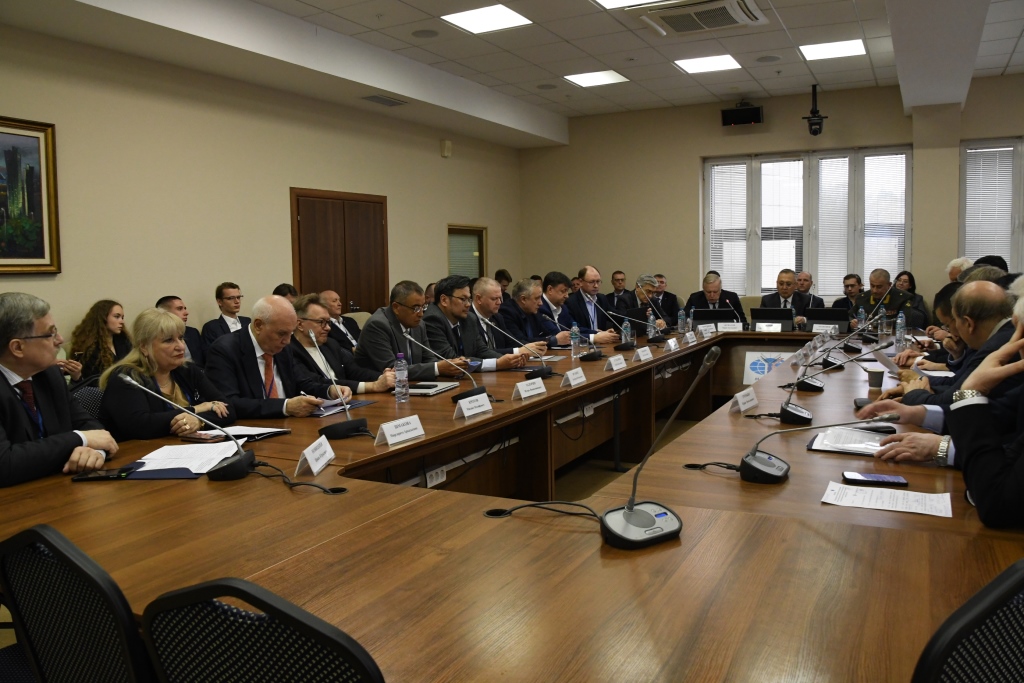
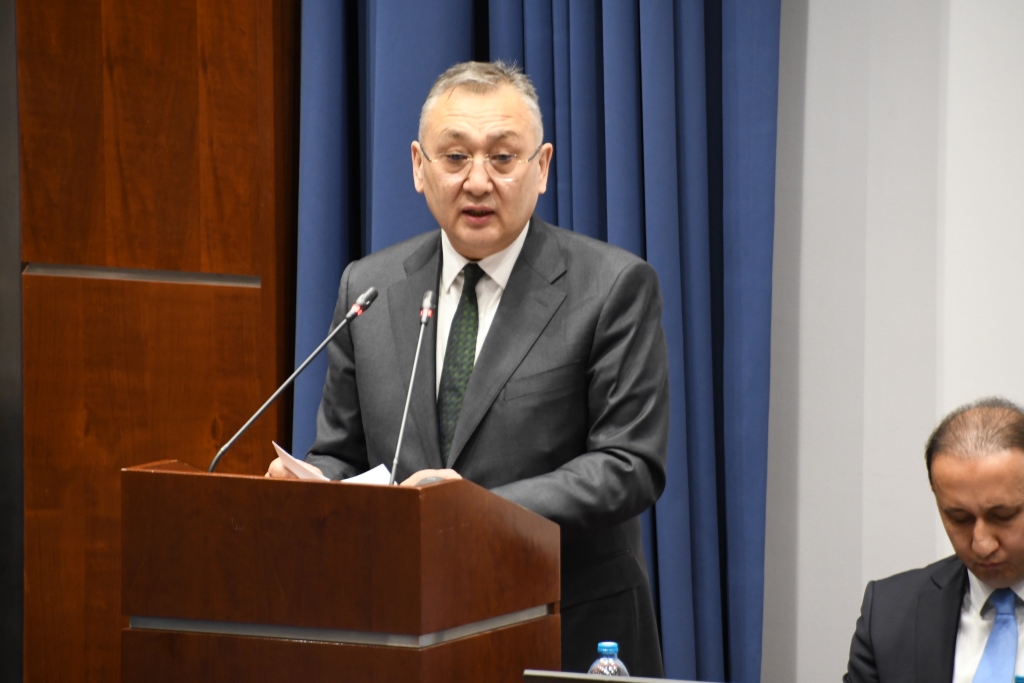
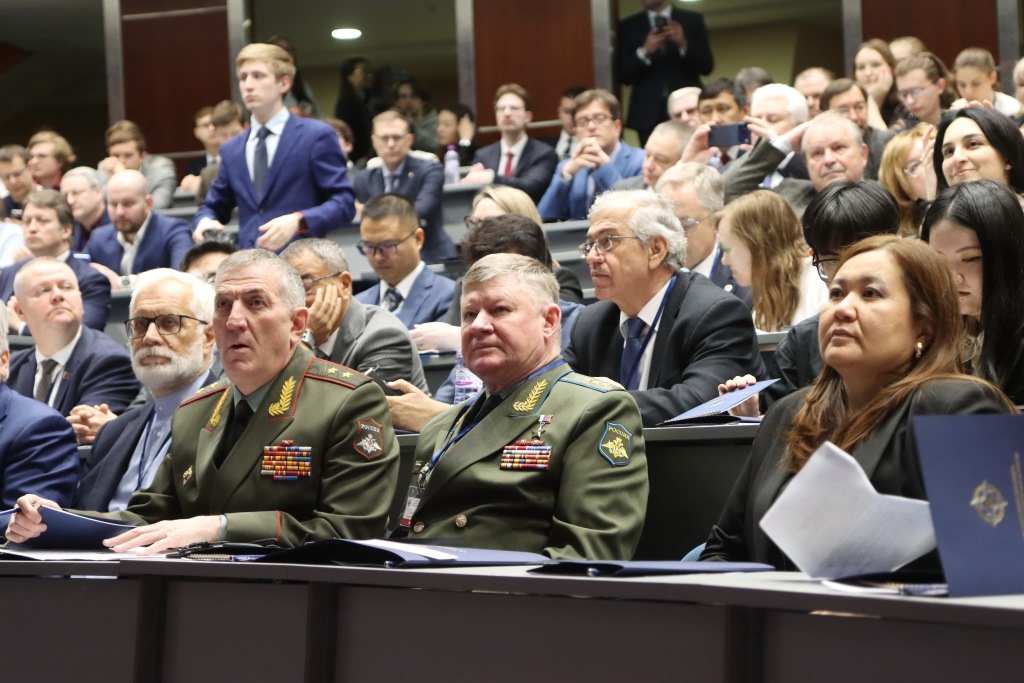
On April 27, MGIMO University under the Russian Ministry of Foreign Affairs hosted the International Scientific and Practical Conference "Contours of a New Collective Security Architecture: Topical Issues of CSTO Information-Analytical Partnership," organized by the CSTO Secretariat. The event brought together heads and representatives of international organizations, government bodies, diplomatic missions, as well as leading expert, educational, and research institutions from CSTO, CIS, and SCO member states, including Russia, Belarus, Kazakhstan, Kyrgyzstan, Tajikistan, Uzbekistan, China, and India.
The plenary session was moderated by Anatoly Torkunov, Rector of MGIMO University. Opening the session, he stressed that direct dialogue between international organizations and the expert and academic community is a key prerequisite for shaping a new, sustainable collective security architecture in Eurasia.
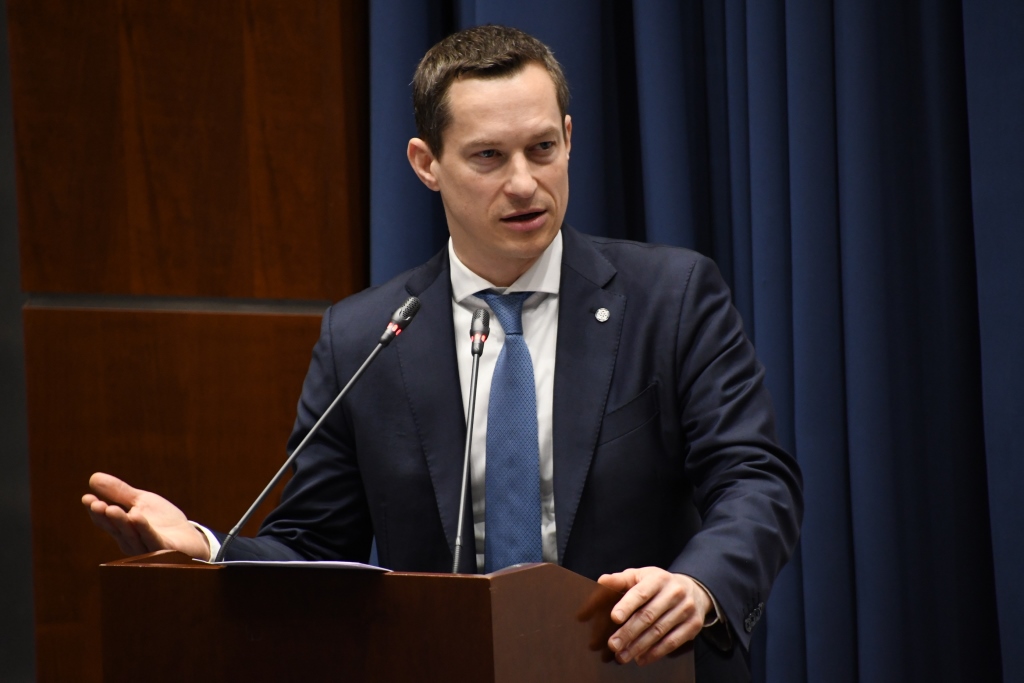
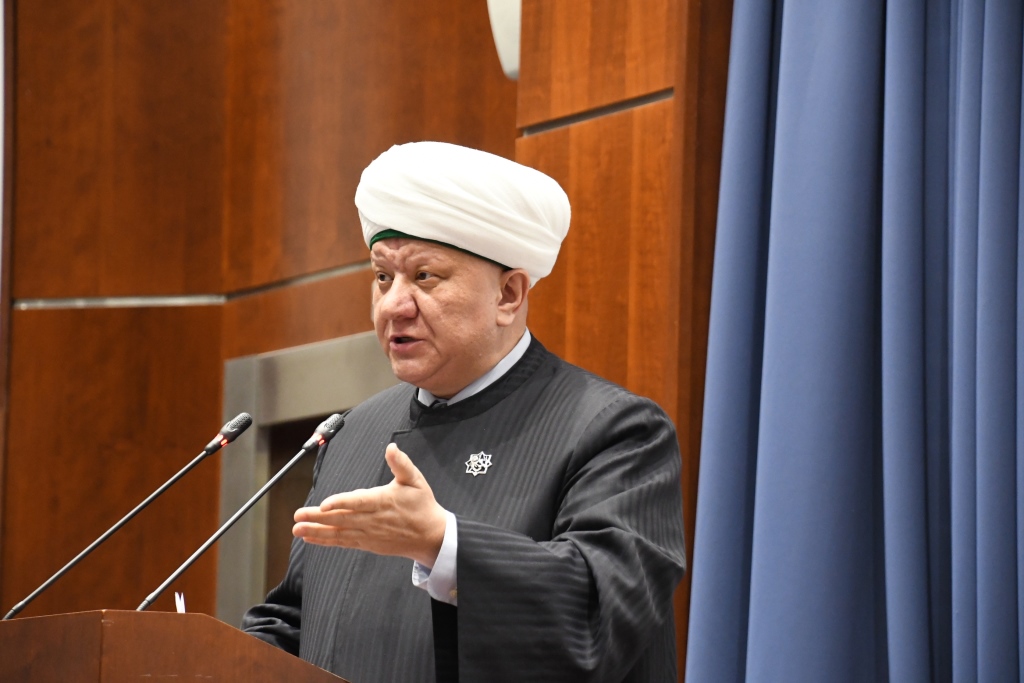
Speaking at the Expert Working Session "Consolidating Expert Capacities in Eurasia: Formats and Parameters of Cooperation," the Chairman of the Spiritual Assembly of Muslims of Russia, member of the Presidential Council for Cooperation with Religious Associations, and Mufti of Moscow, Albir Hazrat Krganov, noted that the successful implementation of the Greater Eurasian Partnership project requires adequate expert and analytical support. The Issyk-Kul Initiative, adopted in 2025, is aimed at strengthening international cooperation among the expert and academic communities of CSTO member states.
In this regard, Albir Hazrat put forward a number of proposals, in particular on the need to adopt a long-term Strategy for the Development of Information-Analytical Partnership of CSTO Member States as a consolidated strategic planning document. The adoption and implementation of the Strategy would positively impact the quality of partner information-analytical and expert work, enhance the CSTO's standing, and, in the long term, allow the CSTO’s experience to be scaled across the Greater Eurasian space. The Mufti also stressed the importance of building the capacity of new expert cadres in the spirit of the Issyk-Kul Initiative as a flexible state-public system that combines centralized state leadership within the CSTO's jurisdiction with the formation of a unified expert platform based on a network of analytical centers possessing the self-organization potential of network structures of expert and academic communities, independent experts, and public figures.
Hence, close attention must be paid to the development and renewal of the human resources capacity of the expert pool, the training of interdisciplinary personnel with relevant competencies, issues of advanced training and retraining, the formation of a new generation of young experts, and the organization of internships and exchanges of experience among experts from different CSTO countries. Equally relevant is the issue of training expert personnel on religious, including Islamic, topics, as well as ensuring their proper resource support and financial measures to sustain the work of experts.
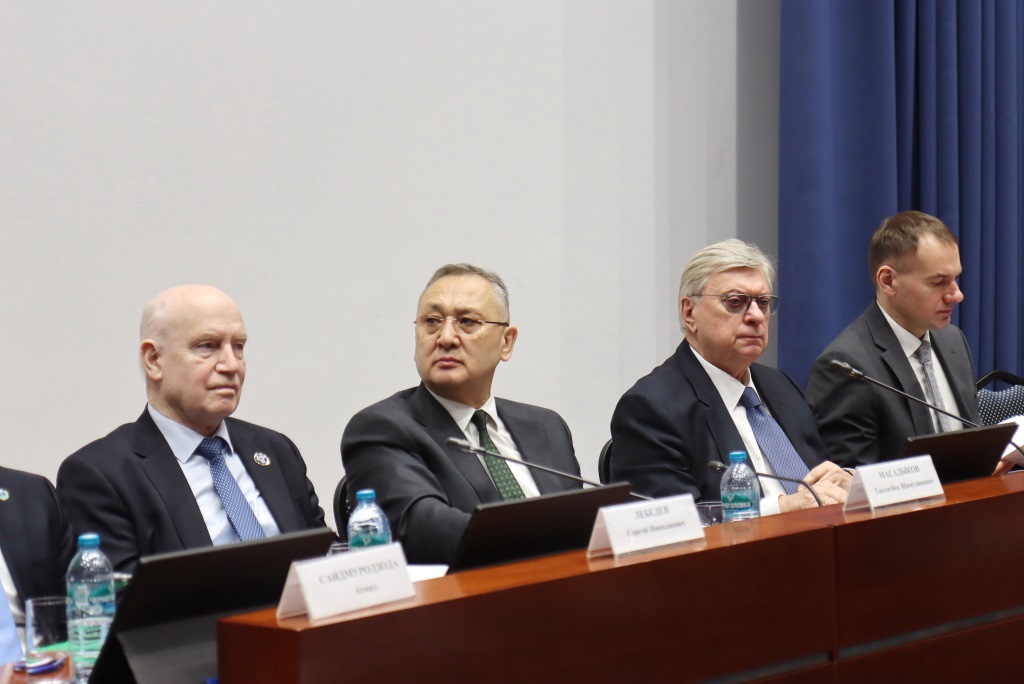
Secretary General of the Collective Security Treaty Organization Taalatbek Masadykov noted that the April conference held under the auspices of the CSTO and partner organizations is becoming a traditional forum. He announced the joint development of a proposal to establish a Eurasian Analytical Platform — a permanent expert dialogue system that leverages modern digital technologies and artificial intelligence to implement joint projects.
Secretary General of the Commonwealth of Independent States Sergei Lebedev drew attention to the growing role of the CIS as a platform for linking integration potentials. He stated that amid the hybridization of threats and the crisis of international law, close coordination of the analytical services of the CSTO, CIS, and SCO is necessary, as is the development of common approaches to the information-analytical support of collective security.
During the plenary session and subsequent events — the working session "Integration Projects in Eurasia: Challenges and Prospects for Cooperation on the Path to Ensuring Collective Security" and the roundtable "The Eurasian Analytical Platform: New Approaches in the New Geopolitical Reality" — key issues of Eurasian security were discussed. The irreversibility of the formation of a polycentric world order and the need to link the capacities of the CSTO, CIS, and SCO to ensure regional stability were noted. Participants emphasized the importance of transitioning from a reactive security model to a cognitive one based on joint expertise, forecasting, and high-quality information-analytical support for decision-making. Particular attention was given to the Eurasian Analytical Platform project as a permanent digital system of dialogue between expert and academic communities and international organizations, the crisis of international security law, the hybridization of threats, and the need for a collective "Grand Strategy" for Eurasia.
As an outcome, an Address of the International Scientific and Practical Conference "Contours of a New Collective Security Architecture: Topical Issues of CSTO Information-Analytical Partnership" to the expert and academic communities of CSTO, CIS, and SCO member states was adopted.
Press Service of the Spiritual Assembly of Muslims of Russia
https://dsmr.ru/en/7465-head-of-the-samr-speaks-at-csto-international-scientific-and-practical-conference.html#sigProId370930d857

